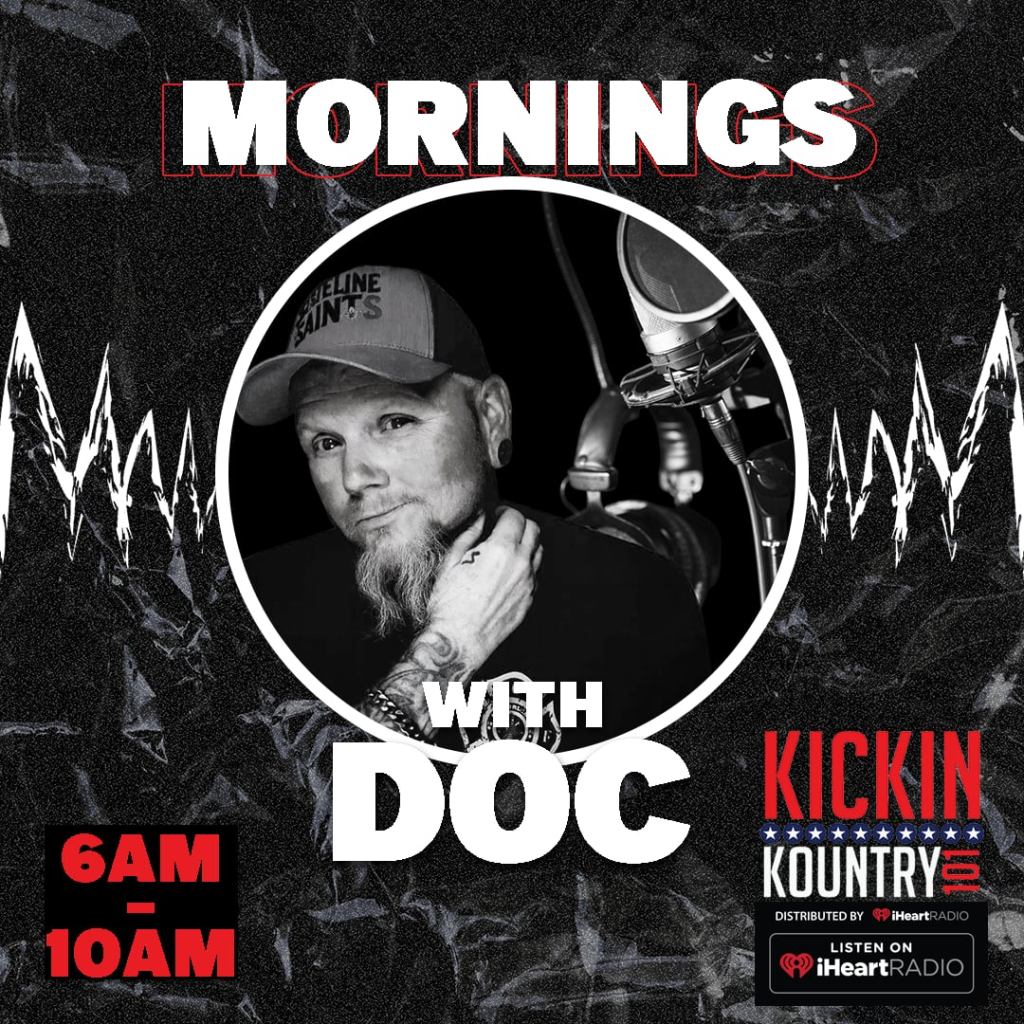
Mornings With Doc

Writer. Musician. Podcaster. On Air Guy. Opinionated a**hole!

A lifelong writer and musician, Doc’s work blends grit and soul, covering everything from outlaw country to Southern rock legends and today’s independent trailblazers. He’s passionate about giving new artists a real platform and keeping authentic country music alive on the air and online.

When he’s not behind the mic or writing about music, Doc’s probably with his wife Leafy and their pack of rescue dogs somewhere in North Mississippi—proof that love, loyalty, and a good story never go out of style.


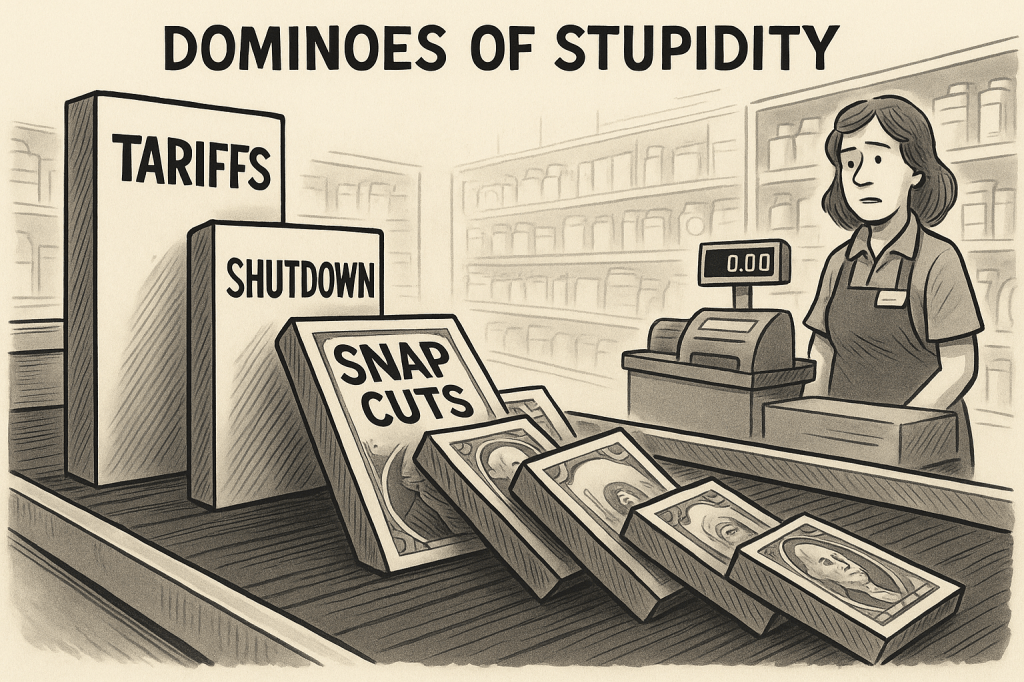
  • The Dominoes of Stupidity: How Tariffs, Shutdowns, and SNAP Cuts Collapse the Whole Damn Economy

    Michael “Doc” Studard

    Let’s get something straight: you can’t choke the working class, gut social programs, and jack up tariffs without expecting the whole damn system to cough blood. Yet here we are — watching leaders play economic Jenga with the lives of millions of Americans, then act shocked when the tower collapses.


    The Tariff Con

    Raising tariffs isn’t some patriotic “America First” move. It’s a tax — not on China, not on Mexico, not on foreign corporations — but on you.

    Every container that docks on our shores with higher import fees means your grocery bill, your utility costs, and your car payment just got a little heavier. Tariffs sound tough on TV, but in real life, they just mean inflation. The only people who don’t feel it are the ones who never had to decide between gas or groceries in the first place.


    The Shutdown Game

    Then comes the cherry on top: a government shutdown. A self-inflicted wound. A tantrum disguised as fiscal discipline.

    When Washington “shuts down,” the lights don’t just flicker in D.C. — they go out in small towns across America. SNAP, WIC, housing assistance, veteran services — all frozen. Federal employees and contractors get IOUs instead of paychecks. The people who already hold this country together are told to hold their breath and wait.

    Meanwhile, the ones causing it still collect their salaries and tweet about “fiscal responsibility” from steak dinners bought with donor money.


    Killing SNAP, Killing the Economy

    And now, let’s talk about the cruelest joke of all — suspending SNAP benefits.

    Some folks like to sneer that “those people” should just get a job. Here’s the reality:
    Over 42 million Americans rely on SNAP. Roughly 25% are elderly, 26% are disabled, and over 40% are children. These aren’t freeloaders — they’re people who can’t work, or who do work but still can’t afford to eat because wages haven’t kept up with corporate greed.

    When those benefits stop, it’s not just poor families who feel it. Grocery stores lose sales. Truckers haul fewer loads. Warehouse workers get their hours cut. Cashiers, stockers, and store clerks — the same “essential workers” we applauded in 2020 — lose shifts.

    Less food bought means less food ordered. Less food ordered means fewer deliveries. Fewer deliveries mean layoffs. It’s a straight pipeline from the dinner table to the unemployment line.


    Trickle-Down Cruelty

    The people pushing this nonsense love to talk about the “free market.” But the market doesn’t stay free when the government kneecaps its own citizens.

    SNAP dollars don’t disappear into the void — they circulate fast. Every dollar in SNAP generates roughly $1.50 to $1.80 in local economic activity. When you pull that money out of the system, you’re not saving taxpayer funds — you’re starving your local economy.


    The Great American Irony

    We’re told we can’t afford to feed our people, but we can afford tax cuts for billionaires.
    We can’t fund school lunches, but we can fund endless wars.
    We can’t extend unemployment benefits, but we can bail out corporations who spend the savings on stock buybacks.

    Then the same politicians who caused the crisis go on TV to blame “lazy Americans” or immigrants or whoever’s most convenient that day. They tell you to tighten your belt while they loosen theirs another notch over a $300 steak.


    The Truth They Don’t Want to Admit

    The economy isn’t just Wall Street tickers and corporate profits.
    It’s truck drivers. It’s grocery clerks. It’s single moms. It’s retirees trying to stretch fixed incomes in a world where eggs cost six bucks and insulin’s still priced like liquid gold.

    When you make it harder for those people to live, you make it harder for America to run.

    Every time you raise tariffs, every time you shut down the government, every time you cut a safety net, you’re not punishing “the lazy.” You’re punishing the engine that keeps this country running. You’re sawing off the branch you’re sitting on.


    Final Thought

    This isn’t politics anymore — it’s cruelty disguised as policy.
    You don’t “fix” an economy by strangling the people who feed it.
    You don’t make America stronger by making Americans hungrier.

    If our so-called leaders can’t see that, maybe it’s time we stop calling them leaders at all.


    Tags:

    #Economy #Politics #SNAP #Tariffs #GovernmentShutdown #Poverty #WorkingClass #FoodInsecurity #Opinion #MichaelRStudard

  • I’ve had dogs my whole life. One of my first was a little Chihuahua named Coco — people thought she was a miniature Doberman, but she was all heart. Then came Bandit and Jake. They were brothers, and when I had to put Bandit down, Jake followed not long after — I swear, from heartbreak.

    There was a long stretch where I didn’t have any animals. I couldn’t even take care of myself, much less another life. But when I finally crawled out of that dark place, I realized I didn’t just want a dog — I needed one. I needed something that loved me with no strings, no judgment, just pure love.

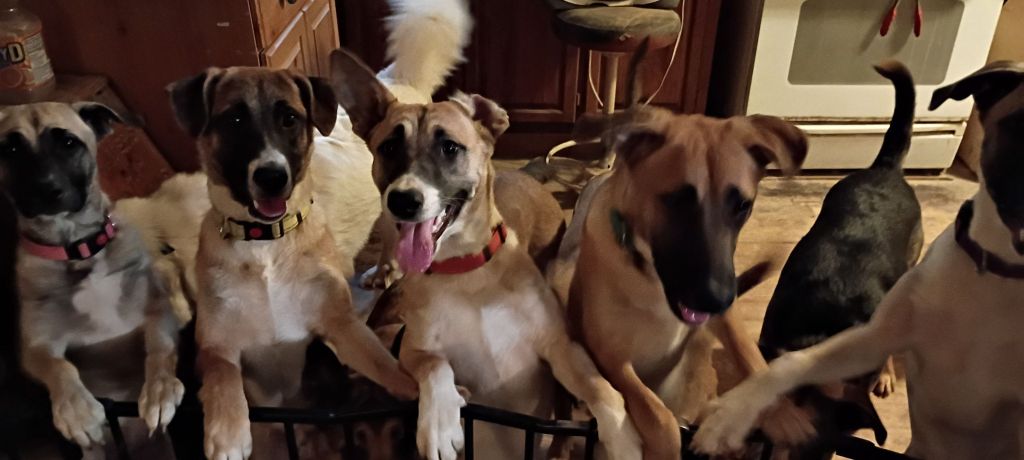
    That’s when I found Whiskey — a scrappy little puppy in a trailer park in Hickory Flat, Mississippi. She slept on my neck the first night, and she still does to this day. She started what became our pack — twelve dogs now, each one rescued, each one a story. Winter, Draven, Shelly Doo, Alyria, Nova, and Whiskey’s six pups — Sable, Katniss, Jock, Claudia, Emma, and Punk. Every one of them has a heartbeat that matters.

    But here’s the truth: too many down here in Mississippi don’t see it that way. I’ve seen dogs chained to trees, left alone in fenced yards with no love or human touch. I’ve seen strays shot, poisoned, starved — all because people can’t see their worth. We live in a world where folks get offended over statues, but not over a living soul chained to a tree.

    If that doesn’t bother you, it should.

    When you bring a dog into your life, you’re taking responsibility for a life. Not a toy, not a trend, not a status symbol — a life. You wouldn’t chain your kid to a tree or let them run loose in the street. So why would you do it to an animal that would die for you without a second thought?

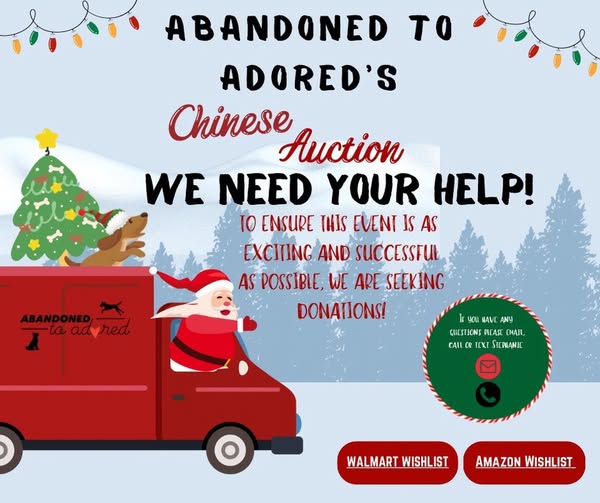
    Here in Marshall County, we don’t even have a humane society. No shelter. The only ones fighting the good fight are two women running Abandoned to Adored in Holly Springs — out of their own pockets — taking care of over 200 dogs at a time. Two women doing what an entire county should be ashamed for not doing.

    So if you’ve ever felt love from a wagging tail, a wet nose, or a paw on your chest when you’re broken — give back. Donate, foster, adopt, volunteer. Help turn “abandoned” into “adored.”

    Their lives are short. Let’s make them beautiful. 🐾❤️

    https://www.abandonedtoadored.com/

  • By Michael “Doc” Studard – Kickin Kountry 101

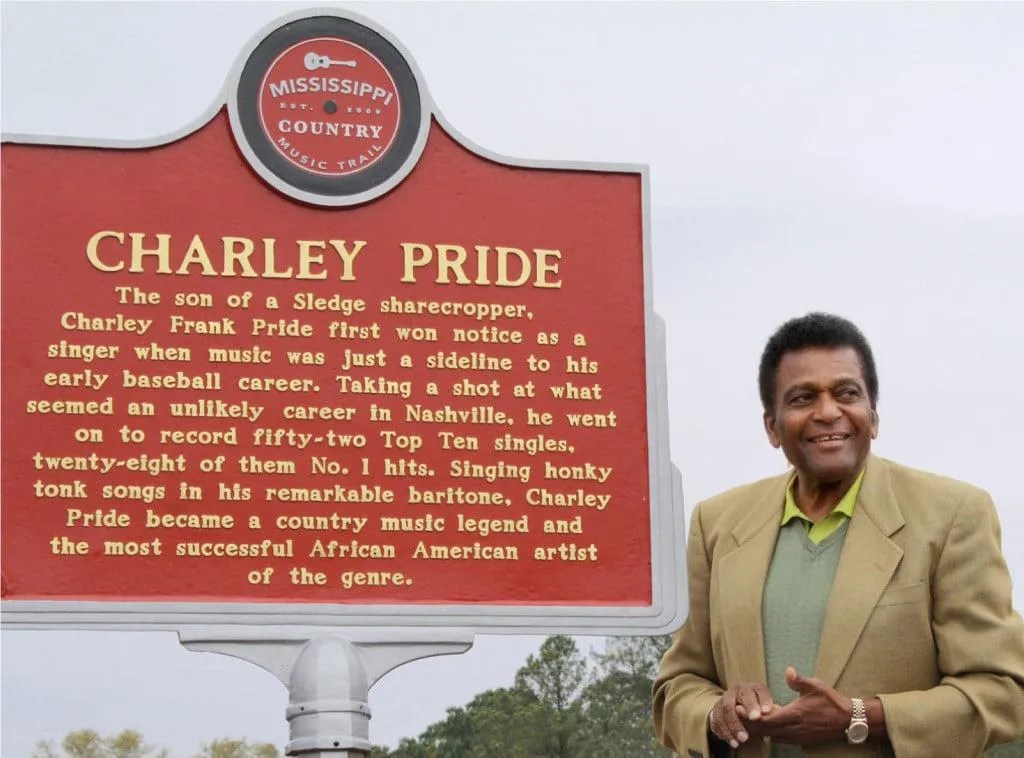
    Before he ever held a microphone under the bright lights of Nashville, Charley Pride was gripping a baseball bat under the Mississippi sun. Born in Sledge, Mississippi, in 1934, Pride’s first dream was to play in the big leagues — and for a while, he did. He spent his early years in the Negro American League, playing for teams like the Memphis Red Sox and Birmingham Black Barons, traveling dusty backroads chasing a dream that looked a lot different than the one destiny had in store.

    But music, as it often does, found its way to him. And once that voice broke through the noise, there was no stopping it.


    From the Field to the Stage

    In those long baseball seasons, Charley’s teammates started noticing something special. Between innings, he’d sing — Hank Williams, Ernest Tubb, Lefty Frizzell — and players would stop what they were doing just to listen. When an arm injury cut his baseball career short, he packed up and headed to Nashville, chasing a dream few believed possible for a Black man in country music.

    He was told it couldn’t be done. Then he did it anyway.

    His breakout hit, “Just Between You and Me,” in 1966 cracked open the door, and what followed was one of the most remarkable careers in country history. Charley Pride didn’t just make it — he changed it.


    A Career Written in Gold

    The stats read like a Hall of Famer’s scoreboard:

    • 29 #1 hits on the Billboard Country chart
    • Three Grammy Awards
    • Over 70 million records sold worldwide
    • First Black artist inducted into the Country Music Hall of Fame (2000)

    From “Is Anybody Goin’ to San Antone” to “Kiss an Angel Good Mornin’,” Pride’s voice became a staple across radios and jukeboxes from the Mississippi Delta to the Canadian plains. His music wasn’t defined by color — it was defined by heart.


    Breaking Barriers Without Breaking Spirit

    At first, record executives were hesitant to show his photo on album covers, afraid Southern radio wouldn’t play a Black country singer. But once fans heard that voice, it didn’t matter what he looked like. Charley Pride stood tall in a time when the world wasn’t always kind — but he met every moment with grace, humility, and authenticity.

    He didn’t demand respect. He earned it.

    His charm onstage, that easy smile, and the way he carried himself made him beloved by artists and audiences alike. Pride didn’t just represent possibility — he embodied it.


    The Pride of Mississippi

    Through every accolade, Charley never lost sight of his roots. He brought Mississippi with him everywhere he went — in his drawl, his stories, and his work ethic. He reminded the world that greatness can rise from the humblest soil.

    When he accepted the Willie Nelson Lifetime Achievement Award at the 2020 CMA Awards — just months before his passing — the entire industry rose to its feet. It was more than applause; it was a collective “thank you” for everything he made possible.


    A Legacy That Still Echoes

    Charley Pride’s voice may have left the airwaves in 2020, but his influence never will. Without him, there might not be a Darius Rucker headlining stadiums or a Mickey Guyton taking the Opry stage. He was the bridge that connected past to future, proof that country music could — and should — belong to everyone.

    He was, and always will be, the pride of Mississippi — and the pride of country music.


    Final Word

    Charley Pride didn’t just change the genre; he changed the definition of it. From the cotton fields to the big leagues, from the Negro League bus to the Grand Ole Opry stage, his life was a testament to grit, grace, and greatness.

    So next time “Kiss an Angel Good Mornin’” spins on your radio, take a moment to remember the man who broke barriers with nothing but a bat, a song, and an unshakable belief that he belonged. Charlie will be added to the Country Music Walk of Fame in November.


    #CharleyPride #KickinKountry101 #DocStudard #CountryMusicHistory #MississippiLegends #BlackHistoryInCountry #CountryMusicHallOfFame

  • Playing It Forward

    By Michael “Doc” Studard – Kickin Kountry 101 / Doc & Friends

    When I sat down with Carl Wayne Meekins, I expected to meet a man who loved music. What I found instead was a man whose entire life hums with it — every nail he hammers, every song he sings, every person he helps along the way. The Chesapeake-born artist has the kind of energy that fills a room before a note is played, and when he starts talking about his journey from attic drums to Nashville stages, you can feel that spark he’s been chasing since he was five years old.

    Carl’s story starts in a Virginia attic. “My brother and I found Dad’s old drum kit,” he told me, smiling like it had happened yesterday. “Hot-pink sparkle finish, still had dust from another life on it.” In that same attic sat a box of faded photos — his dad and Uncle Bill in a bar band, guitars slung low, grinning like they owned the world. Those pictures lit something in the little boy who would one day light up stages of his own.

    From Sock Hops to Honky-Tonks

    By middle school, Carl was the kid playing talent shows and sock hops, pulling friends into garage bands that shook the cul-de-sac. His mom’s stereo stayed busy too — Elvis, Elton John, Donna Summer, Van Halen, Glen Campbell. “I wore out those records,” he said. “Didn’t matter if it was disco or outlaw country — I just liked how honest it all was.”

    That honesty followed him onto the road. As a young front man he spent years touring the club circuit, covering everything from Motown to hard rock. “I learned pretty quick that a good song’s a good song,” he said. “If it moves somebody, it’s worth singing.” But the more miles he logged, the clearer it became that country music was home. “Country was where the stories lived,” he said. “That’s where I felt like myself.”

    The Nashville Chapter

    Eventually, Carl and his wife Tonya packed up and headed for Nashville — a leap of faith that’s now spanned more than twenty years. There they raised their daughter Carlie, built a life, and learned the balance between chasing dreams and paying the light bill. “I love this town,” Carl said. “It’ll chew you up some days, but it’ll also hand you your purpose if you hang in long enough.”

    To keep that purpose alive, he built more than songs — he built a business. His remodeling company kept food on the table while giving him something creative to do with his hands. “Music and construction aren’t that different,” he laughed. “You start with a blank space, build something solid, and hope it stands when you’re done.”

    A Second Chance and a Promise

    In 2020, the hammer nearly went silent. Carl came face-to-face with COVID-19 and almost didn’t make it. “I remember lying there thinking, if I get another shot at this, I’m gonna do more than just survive,” he said quietly. When he recovered, he made himself a promise — and to God — that he’d use whatever time he had left to give back through music.

    That promise became Play It Forward, a campaign that’s seen Carl give away more than eighty guitars to veterans, kids, and folks who just needed a break. “Somebody gave me a guitar when I couldn’t afford one,” he said. “It changed my life. So I figured the best way to honor that is to do the same for somebody else.”

    He doesn’t just hand over the instrument and walk away. He tells each person the same thing: “You don’t owe me anything — just play it forward when it’s your turn.” And they do. Stories have rolled back to him about soldiers teaching their kids to play, teenagers starting bands, strangers forming friendships over those six strings.

    The Ripple Effect

    Carl’s latest single, “Pebble,” captures that spirit perfectly — the idea that small acts can send ripples farther than we ever see. “It came out of something my grandma used to say,” he told me. “‘Throw a pebble in the pond and watch what happens.’ We might never see where the ripples end, but they’re out there.”

    Listening to Pebble feels like standing in sunlight after a storm — steady, hopeful, and built on truth. It’s not about chart positions or algorithms. It’s about connection. And that’s what Carl keeps coming back to, whether he’s in a Nashville studio, a church parking lot, or a fairground somewhere between.

    “I’ve done a lot of living,” he said. “Music’s the language I use to talk about it. If a song of mine helps somebody get through their day or chase their dream, then I’ve done my job.”

    Faith, Family, and Forward Motion

    Faith runs through his story like a bassline — never preachy, just present. He credits Tonya and Carlie for keeping him grounded, and his faith for keeping him grateful. “Every day’s a gift,” he said. “You can waste it worrying, or you can spend it doing something good.”

    That philosophy seeps into every chord he plays. Whether he’s opening for a national act, leading worship near home, or handing a veteran a new guitar, Carl carries the same message: kindness is a muscle — the more you use it, the stronger it gets.

    ‘Let’s Get It’

    Carl’s motto for 2025 is simple: “Let’s get it.” It’s on his shirts, his socials, and the tip of his tongue whenever someone asks how he’s doing. “It means don’t wait around for perfect,” he said with a grin. “If you’ve got breath in your lungs, you’ve got a reason to move.”

    That kind of drive is rare these days — equal parts blue-collar toughness and country-boy charm. Watching him talk about the future, I could see that little kid from the attic still in there, beating on those pink drums, dreaming of making some noise in the world.

    Before we wrapped up, I asked him what success looks like now. He thought for a moment, then said, “Success is when somebody else believes they can do it too. When your story makes them try.”

    That’s the heart of Play It Forward: not fame, not fortune, but faith — in people, in music, in the idea that one good act can echo louder than any guitar solo.

    Carl Wayne Meekins isn’t just making music. He’s building bridges, one song, one story, and one guitar at a time.

    And if you ask him what’s next, he’ll flash that grin, lean back in his chair, and say exactly what he’s been saying since he got a second chance at life:

    “Let’s get it.”


  • Rest in Space, Ace: A Personal Tribute

    I guess I can finally write this. I’ve been waiting until it wasn’t so raw, until my nerves weren’t so exposed. But the death of Ace Frehley has really hit me hard.

    I’ve been a member of the KISS Army since I was four years old. My cousin Donnie Hamby—who passed away about ten years ago from pancreatic cancer—introduced me to KISS in 1978 with Dressed to Kill. I was four years old, running around singing Room Service and Two Timer and She, having no clue what the hell those songs were really about. I just knew I loved them. I knew those guys in makeup were something else.

    That one record started a lifelong obsession. Dressed to Kill led to Love Gun, Rock and Roll Over, Destroyer, Dynasty, the solo albums, Unmasked—all of it. It led me down a road where KISS became a part of my identity. It was like being in a gang. We were the KISS Army. We recognized each other by the uniform: the KISS belt buckle, the KISS radio, the shirts, the posters. If I had back every dollar I ever spent on KISS, I’d be as rich as Gene Simmons.

    As a drummer, I idolized Peter Criss. His jazz background gave KISS its backbone—that swing and that soul underneath all that bombast. But I knew the sound of KISS came from somewhere else. Let’s be honest: Gene’s bass didn’t define KISS. Paul’s rhythm guitar didn’t define KISS. Peter was the backbone, sure—but the engine that drove the KISS machine was Ace Frehley.

    Paul was the voice. Gene was the fire and the showman. But Ace? Ace was the soul. That Les Paul slung low, the smoke pouring from it, the riffs that felt like they were cut from the same dirt and electricity that birthed rock and roll itself. He didn’t play with his hands. He played with his guts. From the bottom of his soul, from the back of the bar, from the edge of space. That was Ace.

    When Ace and Peter left, I thought it was over. But then Eric Carr came along—a dear friend of mine and one of the most genuine souls to ever walk this planet. I miss Eric immensely. After Vinnie Vincent came and went, Mark St. John briefly stepped in, but his demons got the best of him. Bob Kulick didn’t join, but his brother Bruce did—and Bruce was phenomenal, a player who helped KISS evolve in the ’80s. Bruce was different from Ace: more precision, more technique, but every bit as vital to that era.

    Still, for me, it ended when they let Eric Singer and Tommy Thayer put on the makeup. That was it. KISS died the moment they tried to fake the magic that Ace and Peter brought. You can’t bottle lightning and you can’t re-cast legends.

    Eric Singer’s a prick, plain and simple. If they wanted to put something on his face, it should’ve been a dick instead of cat whiskers. The man even had a restraining order against me once—and that’s because he’s a big, gaping coward who couldn’t take the truth. Tommy Thayer? Nobody’s top guitarist, nobody’s hero. He’s just the guy who kissed enough of Gene and Paul’s ass to land the gig. Nobody’s sitting around going, “Man, we gotta get Tommy Thayer on this record.”

    KISS should’ve evolved. They should’ve moved forward. Instead, Gene and Paul tried to recreate ghosts. They couldn’t let go. And that’s when it stopped being KISS and started being a tribute band wearing someone else’s skin.

    But this—this isn’t about bitterness. It’s about gratitude. Because Ace Frehley was one of the greatest guitar players who ever lived. He was lightning in a Les Paul. The raw, sloppy, beautiful imperfection that made rock and roll what it’s supposed to be: dangerous, exciting, and alive.

    And energy like that doesn’t die. It just changes form. The energy that made up Ace—the spark that lit his riffs, that smile, that laugh—is out there now, floating in the ozone, making this world a better place just by still existing in it.

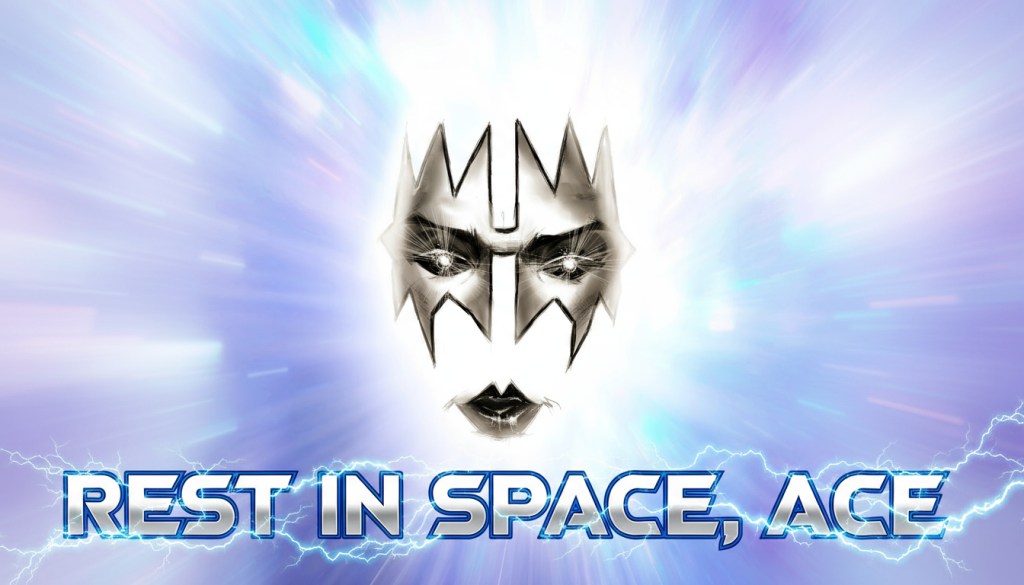
    So rest in space, Spaceman.
    We love you. We miss you.
    And like you always said—

    “Ack!”

  • by Michael “Doc” Studard – Kickin Kountry 101
    📧 doc@morningswithdoc.blog


    The Renaissance Life

    I miss the days of MySpace. I know that makes me sound old, but I do.
    There was something real about it — something personal. You could write, post, create, connect, and exist all in one place. I loved the writing feature most of all, how you could have a blog there, pour out your thoughts, and let people come along for the ride. It wasn’t about algorithms or metrics — it was about expression.

    These days, I’m lucky enough to live what I call a renaissance life: musician, on-air personality at Kickin Kountry 101, true-crime author, and creator in the digital world. It’s wild that I get to do all these things in the same lifetime — from writing songs and broadcasting to publishing a book next year — but still, part of me misses when it all felt simpler.


    When Everything Was in One Place

    Back then, MySpace gave artists everything. You could post your music, throw up flyers for shows, host your blog, and invite your friends — all under one roof. Fans could comment, share, or call you out if you didn’t add them to your “Top 8.” You could make people laugh, cry, or discover a new band all in one scroll.

    It was messy, sure, but it was alive.
    And it made being an indie musician feel like community, not competition.


    The Modern Trade-Off

    Fast-forward to now, and it feels like every tool that once lived on one platform got broken into a dozen new ones. Instead of MySpace, we’ve got:

    Spotify, Apple Music, Deezer, Tidal, Amazon, YouTube, TikTok, Instagram, Facebook, X, Bandcamp, Bandsintown, Groover, SubmitHub, Playlist Push, and more — all promising to help indie artists “get heard” while quietly emptying our wallets.

    You pay to upload your songs.
    You pay to submit them.
    You pay to promote them.
    You pay to see who listened.

    And after all that, you’re lucky if you make enough streams to buy lunch.
    That’s the new deal with the devil — and the devil this time wears a streaming logo instead of horns.


    The Devil We Know

    There’s always been a trade-off in music. The myth goes all the way back to Robert Johnson at the crossroads — the man who sold his soul to the devil to play the blues like no one else. He got what he wanted, sure… but only after he was gone.

    That’s the deal: fame for a price.
    And today’s version of that bargain is every platform we depend on to share our art.

    As a musician, you’re expected to be everywhere — every app, every site, every feed. But all most of us really want is to break even and be heard.

    Imagine if there was one place you could post your songs, your merch, your tour dates, your videos, and your stories — one subscription, one hub, one community. Something like Patreon for musicians meets old-school MySpace, where fans could buy your music, print your flyers, comment on your lyrics, and connect directly with you.

    That’s the dream.
    And honestly, that’s the kind of place music still deserves.


    Why It Still Matters

    For all the platforms in the world, nothing replaces that connection — the real, human part of it. That’s what MySpace gave us. That’s what I still chase every day on the air, online, or in a song. Because music isn’t supposed to be cold and calculated; it’s supposed to be lived in, laughed in, cried in, and shared.

    So yeah — I miss MySpace.
    But I’m grateful I got to live through both eras: the one that taught me to write from the heart, and the one that lets me share it with the world.

  • Hey y’all — I’m Michael “Doc” Studard, host of Mornings with Doc on Kickin Kountry 101, frontman for the Stateline Saints, and a lifelong believer that music is more than just sound — it’s soul, sweat, and storytelling.

    I grew up with the kind of Southern roots that run deep — Mississippi dirt, Memphis guitars, and New Orleans ghosts. These days, I’m proud to help carry the flame as both a radio host and a working musician, shining a light on artists who’ve got something real to say.


    🎶 About the Stateline Saints

    Stateline Saints started as a Southern rock and Americana band built around honest songs and raw storytelling. We’ve gone from homegrown studio sessions to streaming across 60+ countries, racking up over 100,000 Spotify streams, and landing airplay all the way from Australia to the U.K.

    Our top tracks — Can’t Go Back to Tupelo, Old Pictures, and Whiskey Don’t Lie — tell stories of memory, loss, grit, and redemption. If you’ve ever had red clay on your boots, a scar on your heart, or a reason to keep pushing through, you’ll probably find a little piece of yourself in our songs.


    📻 About Kickin Kountry 101

    Kickin Kountry 101 is an independently owned, MediaBase-monitored country station hosted on the iHeart platform, broadcasting to more than 600,000 listeners a day around the world. We play everything from traditional to outlaw, Texas to Tennessee, and indie to iconic — all while staying true to what country music should be: real stories sung by real people.

    We’re also one of just 25 stations invited to the 2025 CMA Awards Press Junket — proof that a small-town station with a big heart can make a national impact.

    On Mornings with Doc, you’ll get interviews with rising artists, segments about Southern life, music reviews, true stories, and the occasional rant about warranties, weather, or whatever caught fire in my brain that day.


    🐾 The Hometeam

    Off the air, I share life with my wife Leafy Rivers Studard — my best friend, muse, and the heartbeat behind everything I do — and our big family of dogs:
    Whiskey, Winter, Draven, Alyria, Shelly Doo, Nova, and six of Whiskey’s pups — Sable, Jock, Katniss, Claudia, Punk, and Emma.
    Yeah, it’s a full house — and I wouldn’t trade it for anything.


    ✍️ What You’ll Find Here

    This blog is where music meets storytelling. You’ll find:

    • Artist spotlights and interviews
    • Behind-the-scenes stories from Kickin Kountry
    • New music releases from Stateline Saints and friends
    • Personal reflections from life in the South
    • A few dog stories, because, well… there are twelve of them

    So grab a cup of coffee, kick your boots off, and stay a while. Whether you’re here for the music, the mayhem, or the mutts — welcome to my corner of the South.

    Thanks for listening, reading, and believing in what we’re building.

    – Doc Studard
    🎙️ Mornings with Doc – Kickin Kountry 101
    🎵 Frontman, Stateline Saints
    🐾 Proud member of the Hometeam since 2-14-14

    📧 Contact: doc@morningswithdoc.blog
    🌐 http://www.kickinkountryradio.com