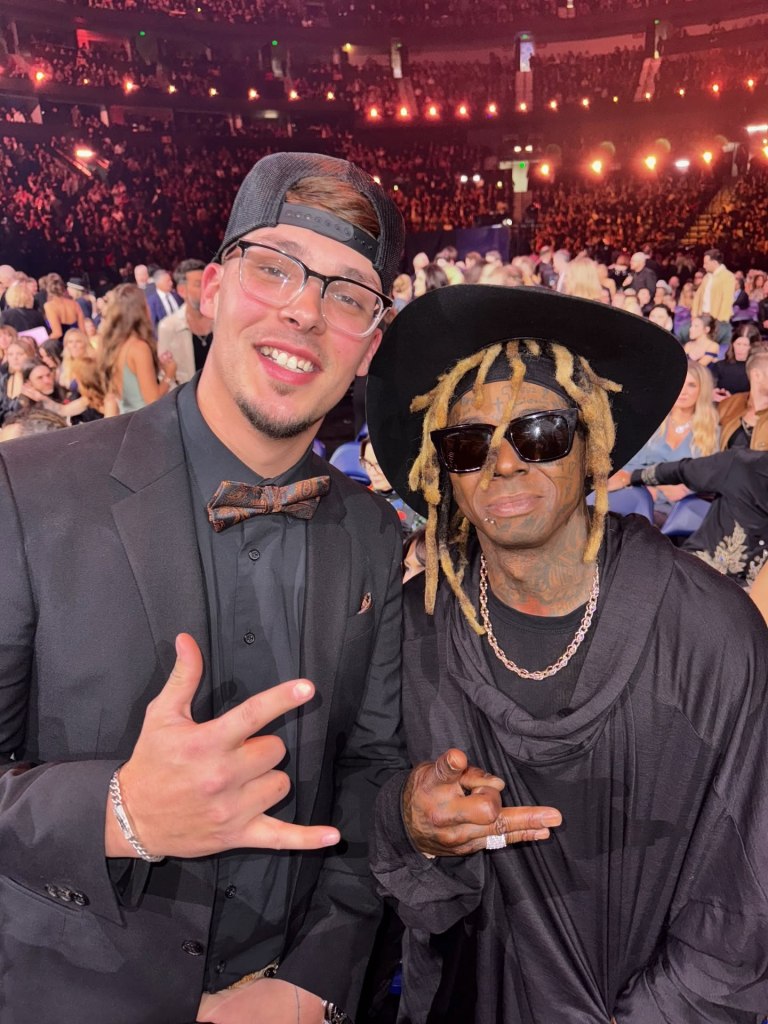
If you’ve been anywhere near a country music comment section lately, you’ve seen the shouting match:
“Chase Matthew ain’t country!”
“BigXThaPlug doesn’t belong at the CMAs!”
“Country music is dead!”
Every few months, the same fight comes back like clockwork — someone new rises in the genre, and another section of the internet decides they’ve been personally appointed to protect “real country music.”
But here’s the problem:
Most people who “guard the gates” of country music do not understand the history, the musical structure, or the cultural roots of the genre they’re defending.
Country music has never been pure.
Never been singular.
Never been one sound, one race, one instrument line-up, or one worldview.
In fact, the story of country is a story of constant evolution, shared cultural influence, and a whole lot of artists who were labeled “not country” before becoming legends.
So let’s dig into the truth — not the Facebook version.
Let’s talk history, culture, instrumentation, race, the industry, and where the genre is headed right now.
This is the real “meat and potatoes” of the debate.
I. COUNTRY’S ORIGIN STORY IS NOT WHAT PEOPLE THINK
If you ask people today where country music came from, they’ll say something like:
“hillbilly songs,”
“Appalachian music,”
or “white Southern culture.”
But that’s only about half the truth.
Country music was born from a cultural exchange between white Southern rural musicians and Black Southern rural musicians.
And that wasn’t occasional — it was constant.
Here’s the real breakdown:
1. The Banjo = African, not American
The banjo — the most “country” instrument in popular imagination — is West African in origin.
Enslaved Africans brought its ancestors to America in the 1600s.
White Appalachian musicians adopted it later.
Without the banjo, early country doesn’t exist.
2. The fiddle = Scots-Irish
Old-time fiddle tunes came from Irish, Scottish, and English ballads.
3. Blues = African American
The structure of early country songs — 12-bar blues, call-and-response, blue notes — came from Black blues tradition.
4. Gospel = Black and white churches
Harmony styles, vocal delivery, and spiritual themes all came from Southern gospel traditions shared across racial lines.
Country is not a “white only” genre.
It never was.
Its DNA is multiracial, multicultural, and hybrid from the beginning.
II. COUNTRY HAS ALWAYS BORROWED FROM OTHER GENRES
People treat “pop influences” or “rap influences” like the end of the world.
But country music’s biggest eras have ALL been born from blending with other genres:
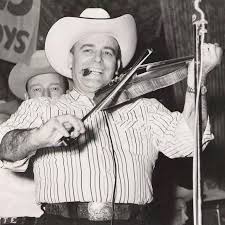
1930s: Country + Jazz
Western swing was basically danceable jazz for cowboys. It was massive.
1950s: Country + Rock
Elvis, Cash, and Jerry Lee Lewis were making what we now call “rockabilly.”
Older fans hated it at the time.
1970s: Country + Pop
Glen Campbell, Dolly Parton, Kenny Rogers — all accused of “ruining country.”
1980s: Country + Soft Rock
Alabama, Reba, George Strait — all considered “too smooth” by older fans.
1990s: Country + Pop Rock
Shania Twain, Faith Hill — fans lost their minds over their crossover success.
2000s: Country + Rock
Montgomery Gentry, Keith Urban, Jason Aldean took criticism for sounding “too rock.”
2010s: Country + Hip-Hop
Florida Georgia Line & Nelly, Kane Brown, Breland — same outrage cycle.
2020s: Country + Internet Culture
Chase Matthew, Jelly Roll, Hardy, Zach Bryan, BigXThaPlug appearances — the new chapter.
Every era saw gatekeeping. Every era saw evolution. Every era moved the genre forward.
III. THE “THAT AIN’T COUNTRY” ARGUMENT IS EMOTIONAL, NOT FACTUAL
Let’s break this down cleanly.
1. “Country” is not defined by accent
Accents vary:
- East Tennessee twang
- Texas drawl
- Ozark nasal
- Oklahoma plains tone
- California cowboy
- Modern pop-country neutral voice
All are legitimate.
2. “Country” is not defined by race
DeFord Bailey — the first star of the Grand Ole Opry — was a Black harmonica player.
Ray Charles helped redefine country.
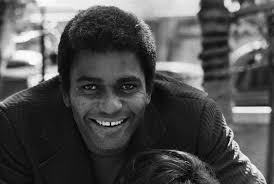
Charley Pride was a cornerstone of the genre.
Breland, Kane Brown, Rissi Palmer, Blanco Brown — all carry the torch today.
3. “Country” is not defined by tempo
Slow ballads, fast boot-stompers, mid-tempo heartbreakers — all country.
4. “Country” is not defined by instruments
Steel guitar? Didn’t appear consistently until mid-1940s.
Drums? Banned on the Opry until 1973.
Electric guitar? Fans claimed it would kill country in the 1950s.
Yet now these instruments are considered essential.
5. “Country” is not defined by where the artist was born
Shania Twain is from Canada.
Keith Urban is from Australia.
Dustin Lynch is from California.
Morgan Wallen was born in Tennessee but blew up globally.
Country is national now — even international.
So what defines country?
We’ll get there.
IV. CHASE MATTHEW: A MODERN COUNTRY CASE STUDY
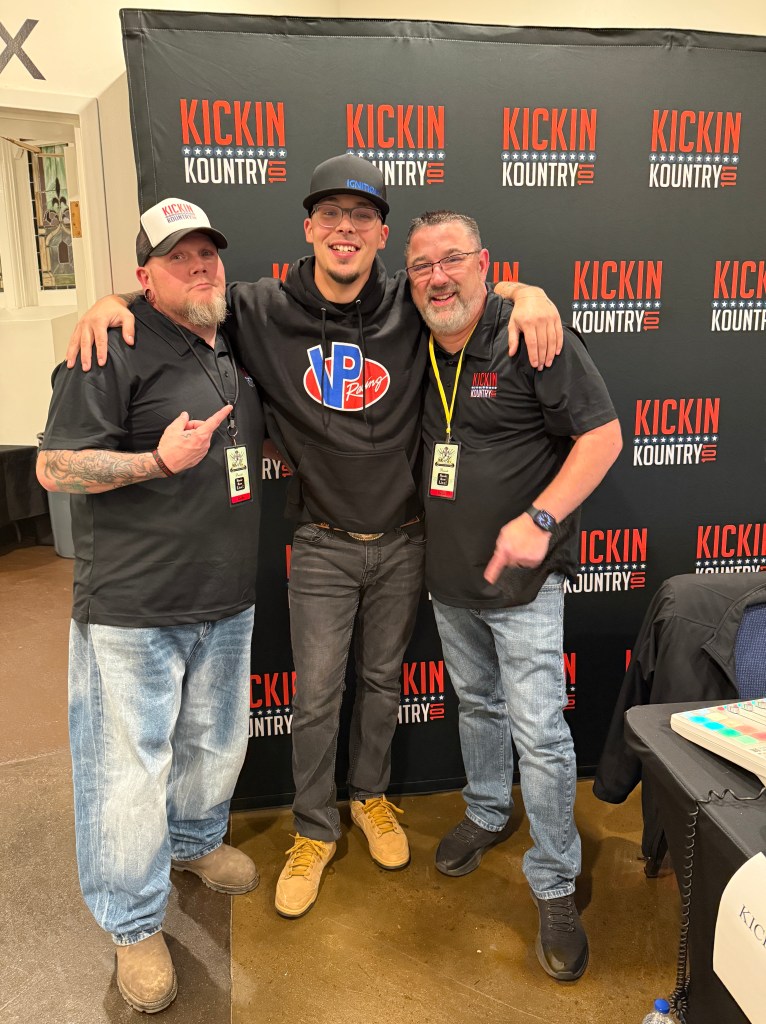
A ton of folks loudly insist Chase Matthew “isn’t country.”
That’s emotional, not factual.
1. Lyrically, he hits every classic country theme:
- heartbreak
- rural nostalgia
- drinking
- faith
- resilience
- relationship scars
- small-town storytelling
This is the exact DNA of country songwriting.
2. Musically?
He blends acoustic elements with modern production, atmospheric pads, and radio-friendly hooks.
So do:
- Morgan Wallen
- Hardy
- Luke Combs
- Kane Brown
- Mitchell Tenpenny
- Dan + Shay
Modern country is hybrid country — and has been since the 1990s.
3. Culturally?
Chase Matthew fits today’s Nashville mold perfectly:
blue-collar, emotional storytelling, accessible, digital-native audience.
If Chase Matthew “isn’t country,” then Nashville’s entire chart system isn’t country.
V. BIGXTHAPLUG AT THE CMAs: A CULTURAL MOMENT
Let’s talk about the other argument:
“Why was BigXThaPlug at the CMAs? He’s not country!”
Here’s why:
1. The CMAs are about influence, not purity
The Country Music Association was founded in 1958 to:
“promote the advancement of country music through education and industry connection.”
That does not say:
“Only people who make traditional country are allowed in the building.”
2. BigXThaPlug has cross-genre influence
He’s collaborated with:
- Jelly Roll
- Country producers
- Southern artists
- Country-adjacent fanbases
He’s part of the cultural conversation.
3. Representation ≠ dilution
Black artists helped invent country.
So the complaint that Black artists “don’t belong” is historically backwards.
4. Fans loved it
The room embraced him.
The artists embraced him.
The culture embraced him.
Only Facebook comments didn’t.
VI. SO WHAT IS COUNTRY, THEN? HERE’S THE ACTUAL DEFINITION.
Here is the academically established definition used by scholars, the Country Music Hall of Fame, and ethnomusicologists:
Country music is a storytelling-driven genre rooted in Southern working-class tradition, expressed through acoustic and string-based instrumentation, shaped by a blend of Appalachian folk, African American blues, gospel, and rural life experiences.
Let me simplify this:
Country music = American storytelling set to strings.
The story matters more than the sound.
The truth matters more than the twang.
If the song is honest?
If the story is real?
If the artist means it?
That’s country.
VII. COUNTRY HAS ALWAYS BEEN A REFLECTION OF ITS AUDIENCE — AND AUDIENCES HAVE CHANGED
The Nashville of 1950 is not the Nashville of 2025.
Today’s country fans are:
- rural and urban
- white, Black, Hispanic, Indigenous
- young TikTok users
- older FM radio listeners
- blue collar
- suburban
- global (Turkey, Brazil, Australia, U.K.)
Country is bigger than ever before.
It grows because it makes room.
If the genre stayed locked in amber, it would’ve died in the 1970s.
Instead, it’s the most streamed genre in America today besides hip-hop.
This isn’t collapse — it’s expansion.
VIII. THE REAL REASON PEOPLE FIGHT ABOUT THIS
It’s not musical.
It’s psychological.
People aren’t angry about Chase Matthew’s production or BigXThaPlug being in a room.
They’re angry that:
- their childhood sound isn’t dominant anymore
- the world is changing
- Nashville is global
- culture is merging
- representation is increasing
- new generations have a voice
Every generation believes their version of country is the “real” one.
But music doesn’t work like that.
IX. THE TRUTH: COUNTRY BELONGS TO EVERYONE WHO TELLS A REAL STORY

Country music has room for:
- Hank Williams
- Reba
- Garth
- Shania
- Chris Stapleton
- Zach Bryan
- Morgan Wallen
- Jelly Roll
- Chase Matthew
- BigXThaPlug collaborations
- And whoever comes next
Country music is not a museum.
It’s a living, breathing American art form.
Gatekeeping doesn’t protect it — it suffocates it.
Openness is how it survives.
X. FINAL THOUGHT
If you strip everything else away — the politics, the Facebook wars, the arguments about twang and tempo — you’re left with the beating heart of country music:
Real people telling real stories about real life.
Everything else is window dressing.
Whether it’s Chase Matthew singing heartbreak, Zach Bryan pouring out raw emotion, or BigXThaPlug sharing a stage with country stars…
If the story is true,
If the heart’s in it,
If the song connects…
That’s country.
It always has been.
It always will be.
 Mornings With Doc
Leave a comment